|
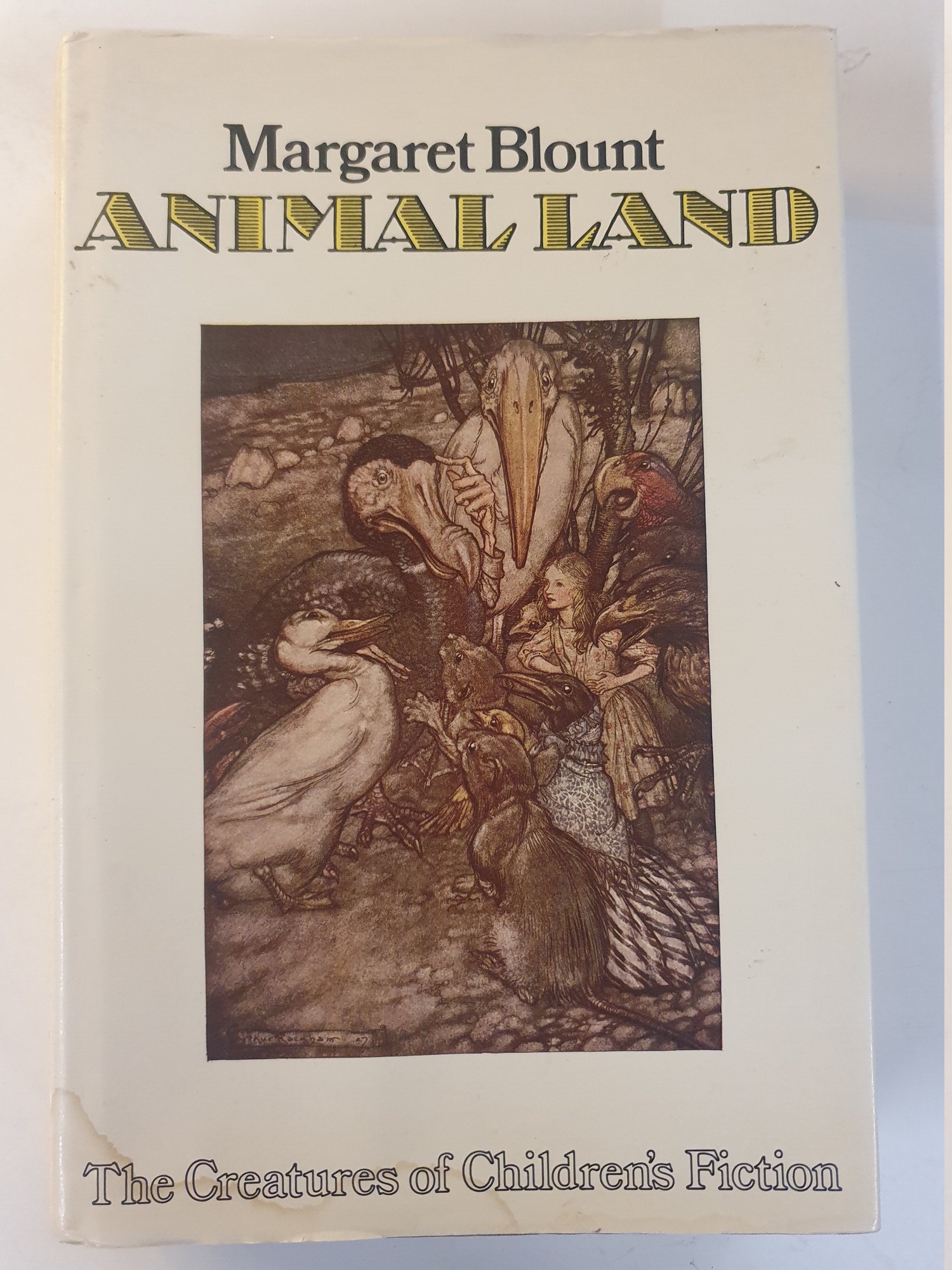
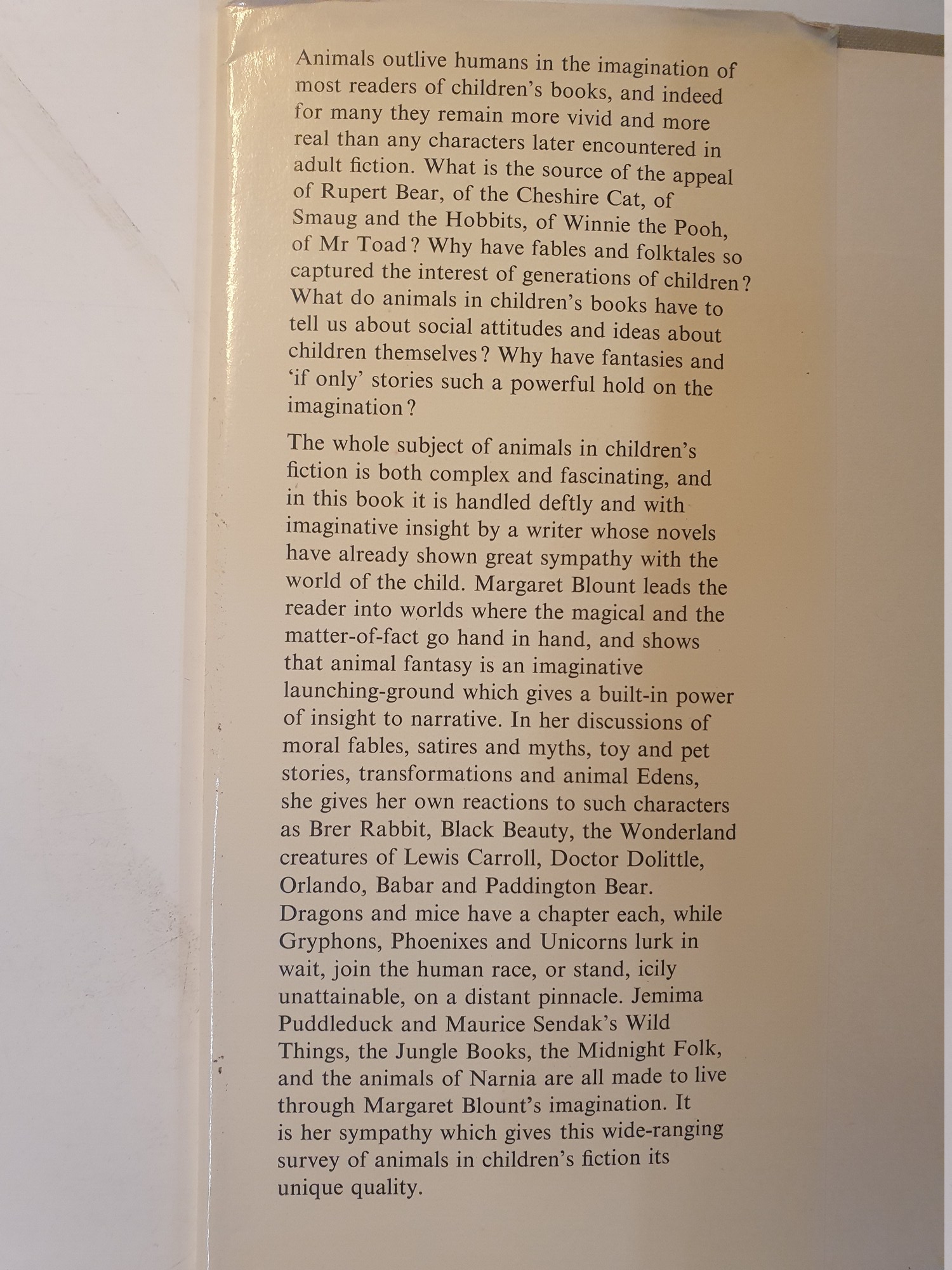
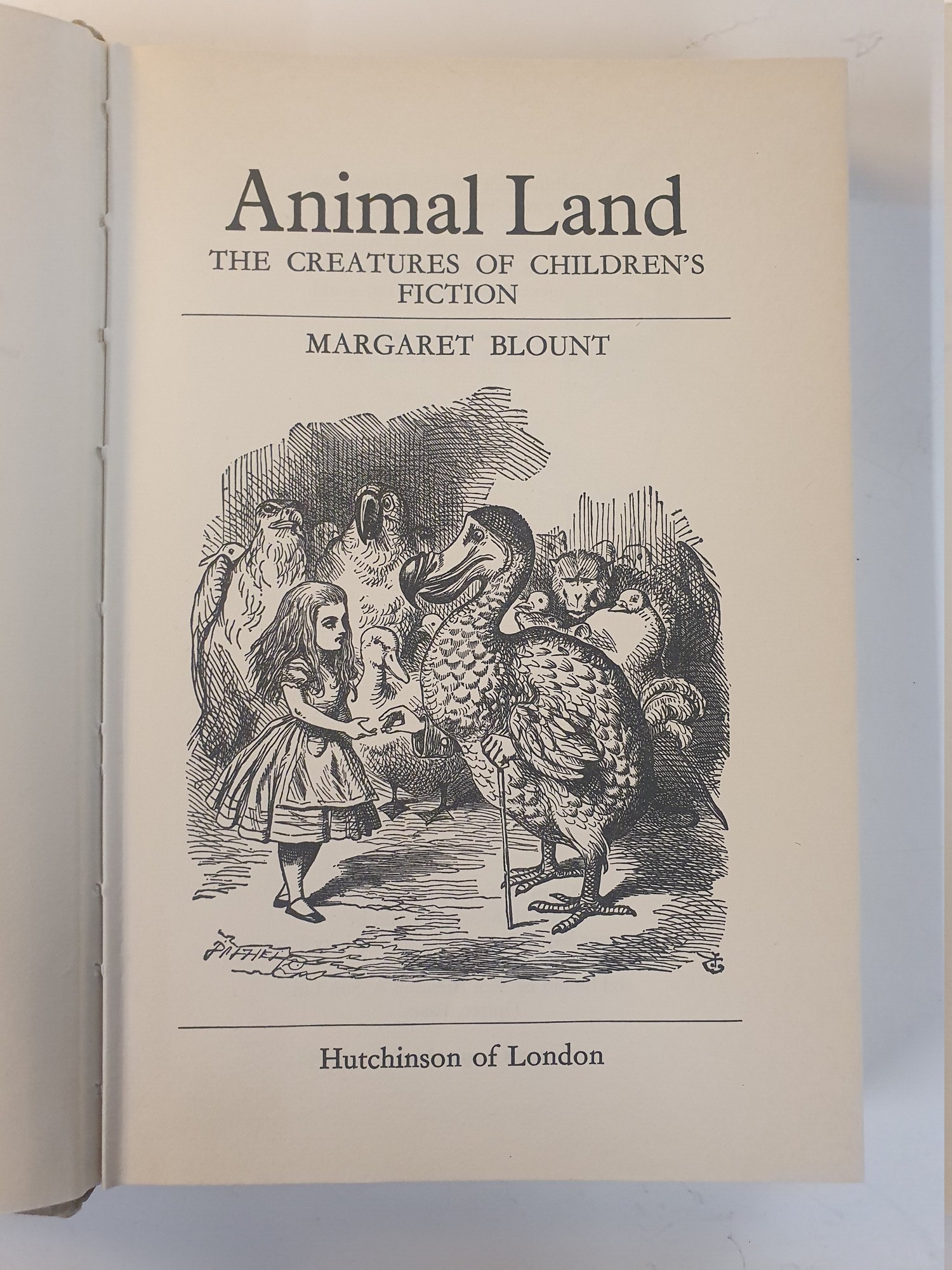
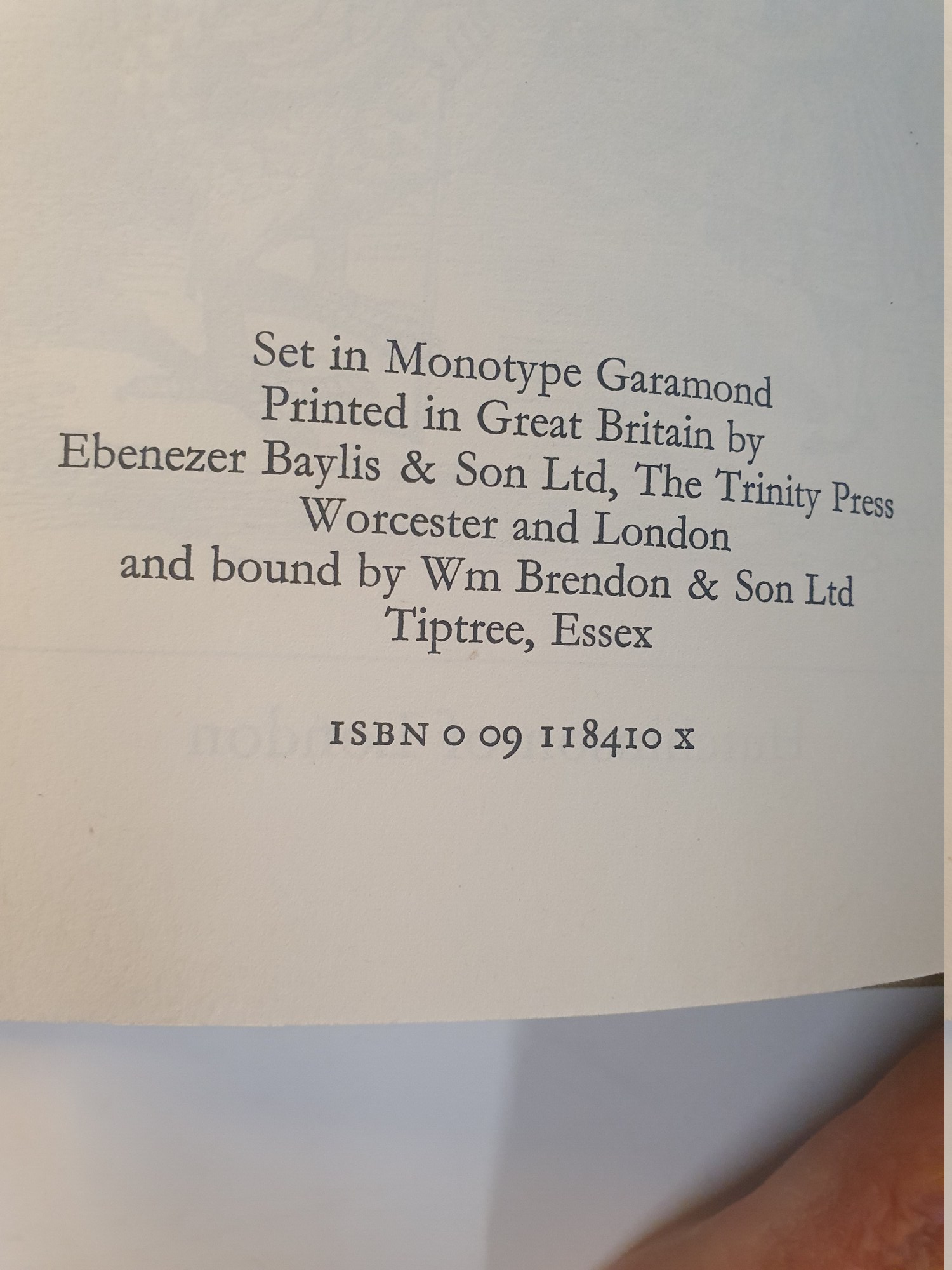
Animal Land Autor: Margaret Blount Verlag: Hutchinson Englisch 5.00 CHF ISBN: 978-0321843966 |
|
|
Auch Teil des Konvoluts «5 Bücher aus Märchen» |
|
         |
|
|
Okay, let's delve into *Animal Land* by Margaret Blount, published by Hutchinson. Here's a detailed description, covering its key aspects: **What is *Animal Land*?** *Animal Land* is a groundbreaking and highly influential work of ecological anthropology, published in 1979. It's a complex and ambitious study of the *animal* experience, arguing that animals are not simply responding to their environment, but are actively constructing their own realities and experiences through their behavior, communication, and even their physical morphology. It's a radical departure from traditional approaches that focused primarily on the animal's relationship to its habitat. **Author: Margaret Blount** * **Background:** Margaret Blount is a renowned anthropologist and behavioral scientist. She's known for her work on animal cognition, social behavior, and the evolution of communication. Her research has spanned several decades, focusing on primates, birds, and other animals. * **Key Contributions:** Blount's work is characterized by her use of **"animal-centered"** methods - essentially, she treats animals as active agents in their own lives, rather than passive observers. She emphasizes the importance of understanding the *process* of experience, rather than simply describing the outcome. **Core Concepts & Argument:** * **The "Land" Concept:** The central idea of *Animal Land* is that animals don't just *react* to their environment; they actively *construct* their own "land" - a subjective, internal world of experience. This "land" is shaped by their sensory experiences, their social interactions, and their own cognitive abilities. * **Sensory Ecology:** Blount argues that animals perceive the world through a highly developed sensory system, including a sophisticated sense of smell, a rich auditory system, and a complex system of visual cues. She emphasizes that these sensory experiences are not simply raw data, but are actively interpreted and organized. * **Communication as Construction:** Animals don't just *transmit* information; they *construct* meaning through their communication. The way an animal vocalizes, gestures, or displays its body can be seen as a deliberate effort to create a particular "feeling" or "reality" for itself. * **Morphological Influence:** Blount highlights the role of animal morphology (physical structure) in shaping their experience. For example, the shape of an animal's skull or the way it moves can influence how it perceives and interacts with its environment. * **The "Animal-as-Agent":** Blount's most significant contribution is her shift to viewing animals as active agents, not just as passive recipients of environmental stimuli. She argues that animals are constantly making choices, modifying their behavior, and creating their own experiences. **Key Themes & Methods:** * **Fieldwork:** Blount conducted extensive fieldwork in primate populations, particularly in the Democratic Republic of Congo. She spent considerable time observing animals in their natural habitats, meticulously documenting their behavior and communication. * **"Animal-Centered" Observation:** She employed a highly observational approach, focusing on detailed descriptions of animal behavior and communication, rather than relying on artificial laboratory settings. * **"Animal-as-a-Whole":** Blount's work emphasizes the importance of understanding the animal as a whole, rather than focusing on individual behaviors. **Impact & Legacy:** * *Animal Land* was a hugely influential book, sparking a significant debate in the field of animal behavior. * It challenged traditional assumptions about animal cognition and behavior, paving the way for new approaches to studying animal experience. * It has had a lasting impact on ethology, cognitive science, and animal welfare. **Where to Find More Information:** * **The Hutchinson Foundation:** [https://www. HutchinsonFoundation.org/animalland/](https://www. HutchinsonFoundation.org/animalland/) - This is the official website for the book and its legacy. * **Academic Journals:** Search for articles on *Animal Land* in journals like *Behavioral Ecology*, *Animal Cognition*, and *Ecology and Evolution*. --- **To help me tailor my response further, could you tell me:** * What specifically are you interested in learning about *Animal Land*? (e.g., a particular aspect of the argument, a specific example from the book, its influence on a certain field |
|