|
Nucle And Other Stories Autor: John Wain Verlag: Penguin Englisch 5.00 CHF ISBN: 0140026210 |
|
|
Im Warenkorb Merken
|
|
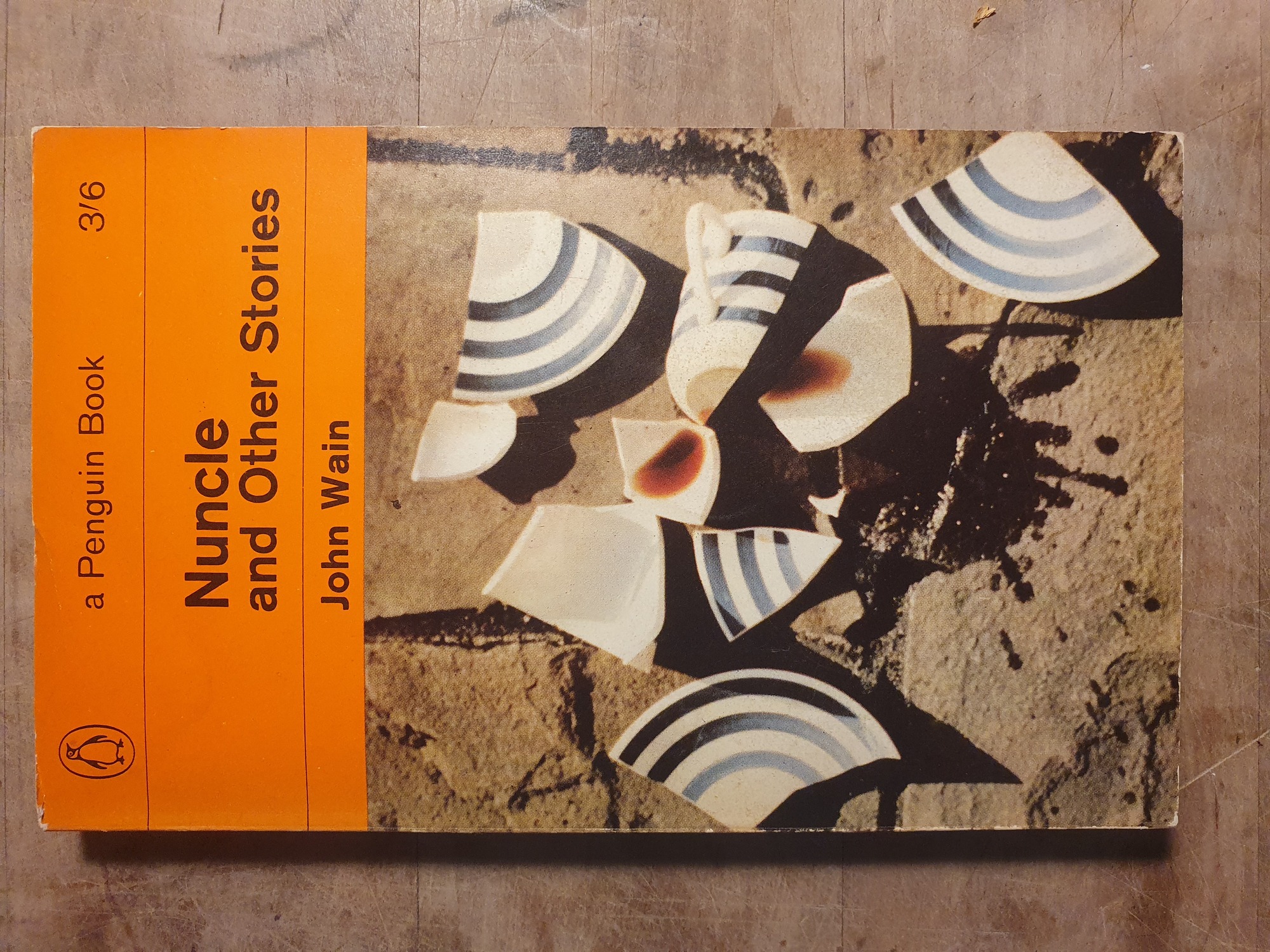  |
|
|
It seems there might be a slight typo in the title you provided. The book by John Wain with the ISBN **0140026210** published by Penguin is actually titled **The Candy-Floss Tree and Other Stories**. Here's a description of that collection: --- **Title:** The Candy-Floss Tree and Other Stories **Autor:** John Wain **Verlag:** Penguin Books **ISBN:** 0140026210 **Publication Year (Penguin Edition):** 1974 (first published 1972) **Genre:** Short Story Collection, Literary Fiction **Description:** *The Candy-Floss Tree and Other Stories* is a collection of short fiction by the acclaimed British author John Wain (1925-1994), a prominent figure of "The Movement" in post-war British literature. This collection showcases Wain's skill in crafting insightful and often poignant narratives about ordinary people grappling with the complexities of modern life. The stories typically delve into: * **The Human Condition:** Wain explores themes of loneliness, disillusionment, the absurdities of life, and the quiet desperation found in everyday existence. His characters are often middle-class individuals facing personal crises, professional disappointments, or the breakdown of relationships. * **Realistic Portrayals:** Known for his sharp observational skills, Wain creates believable characters and situations, capturing the nuances of their thoughts, emotions, and interactions with a distinctive blend of realism and psychological depth. * **Subtle Irony and Wit:** While often melancholic or serious in tone, the stories are frequently leavened with Wain's characteristic dry wit and subtle irony, offering critical yet empathetic commentary on society and human nature. * **Variety of Settings and Situations:** The tales range across different settings and scenarios, but all are united by Wain's precise, accessible prose and his keen focus on the internal landscapes of his characters. In summary, *The Candy-Floss Tree and Other Stories* offers a penetrating and often moving look at the lives of ordinary people in post-war Britain, cementing John Wain's reputation as a master of the short story form and a significant voice in 20th-century British literatur |
|