|
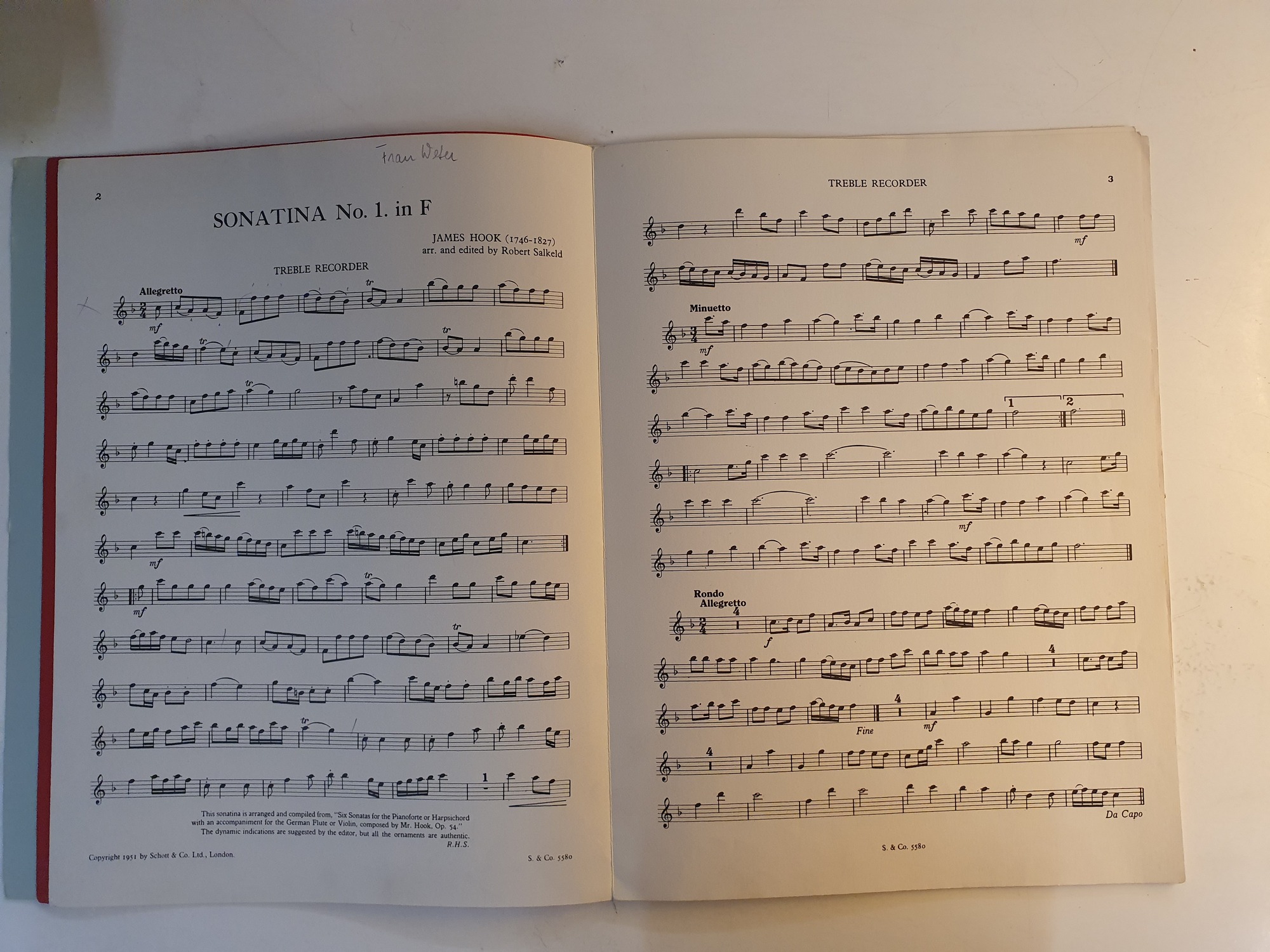
Henry Thornowitz - Sonata da Camera in F Autor: Frank Daves Verlag: Schott Englisch 5.00 CHF ISBN: 9780767921736 |
|
|
In den Warenkorb Merken
|
|
   |
|
|
Okay, let's delve into Henry Thornowitz's *Sonata da Camera in F* by Frank Davies. This is a fascinating and complex work, and understanding its nuances requires a bit of unpacking. Here's a breakdown of the key aspects: **1. The Basics: A Historical Context** * **The Sonata's Origins:** The *Sonata da Camera in F* was created in the late 19th century, primarily within the context of the burgeoning "New German" musical tradition. It's a direct response to the prevailing aesthetic ideals of the time - a desire for a more refined, emotionally-driven, and often intensely personal musical experience. * **Henry Thornowitz's Influence:** Thornowitz was a hugely influential figure in the development of American music education. He believed in a deeply experiential approach to music, emphasizing the importance of *listening* and *feeling* alongside technical proficiency. His work heavily influenced the teaching of music to young people, particularly in the United States. * **Frank Davies' Contribution:** Davies, a British composer and educator, was a key figure in shaping the modern approach to the *Sonata*. He was deeply interested in the historical context and the emotional core of the piece. **2. The Core of the Work: A "Psychological" Approach** * **The "Psychological" Concept:** This is *the* defining characteristic of Thornowitz's interpretation. Davies argues that the *Sonata da Camera in F* is fundamentally about the *psychological* experience of the performer - the emotional and cognitive processes involved in *listening* and *feeling* the music. He doesn't just want to play the notes; he wants to *become* the music. * **The "Psychological" Process:** The piece is structured around a series of "psychological" exercises. The performer is guided through a series of exercises - often involving a "listening" phase, followed by a "feeling" phase - designed to unlock and express the music's emotional content. These exercises are not about rote memorization, but about cultivating a receptive and sensitive state of mind. * **The "Listening" Phase:** This is the most crucial element. It's a deliberate, focused listening to the music, often with a specific intention - to identify the emotional qualities, the harmonic relationships, and the subtle nuances of the sound. It's about *not* judging, but *observing*. * **The "Feeling" Phase:** Following the listening, the performer engages in a "feeling" phase, where they attempt to express the emotions evoked by the music through physical gestures, vocalizations, and a heightened awareness of the sound. **3. Key Musical Features & Stylistic Elements** * **Modal Harmony:** The piece is characterized by its use of modal harmony - a system of harmony based on scales rather than traditional major/minor keys. This creates a sense of ambiguity and emotional depth. * **Chromaticism:** There's a significant use of chromaticism (notes outside the diatonic scale) which adds color and emotional intensity. * **Micro-Dynamics:** Thornowitz emphasizes the importance of subtle variations in dynamics (loudness and softness) to create a sense of movement and expressiveness. * **Rhythmic Complexity:** The rhythmic patterns are often intricate and subtly shifting, adding to the overall feeling of unease and tension. * **"The Voice" (a central concept):** Davies's interpretation often features a recurring "voice" - a sustained, almost ethereal tone - that acts as a focal point for the listener's emotional experience. It's a way of creating a sense of resonance and connection. **4. Criticisms and Interpretations** * **Subjectivity:** The "psychological" approach is inherently subjective. Critics have questioned whether it's truly effective or whether it simply relies on a performer's ability to *feel* the music. * **Over-Emphasis on Feeling:** Some argue that the focus on feeling can overshadow the technical aspects of the music, leading to a somewhat superficial interpretation. * **Difficult to Master:** The piece is notoriously challenging to perform well, requiring a high level of sensitivity, control, and a deep understanding of the music's structure. **In essence, *Sonata da Camera in F* is a profoundly challenging and rewarding work that pushes the boundaries of musical interpretation. It's a testament to Thornowitz's belief in the power of listening and the importance of cultivating a receptive and sensitive musical experience.** **Resources for Further Exploration:** * **The *Sonata da Camera in F* (1998) by Frank Davies:** This is the definitive recording. * **Henry Thornowitz's Writings:** You can find excerpts and analyses of his work online. * **Academic Articles and Reviews:** Search for scholarly articles on the *Sonata da Camera in F* and Thornowitz's approach. To help me tailor my response further, could you tell me: * What specifically are you most interested in learning about the *Sonata da Camera in F*? (e.g., its historical context, its musical features, its challenges, its reception |
|