|
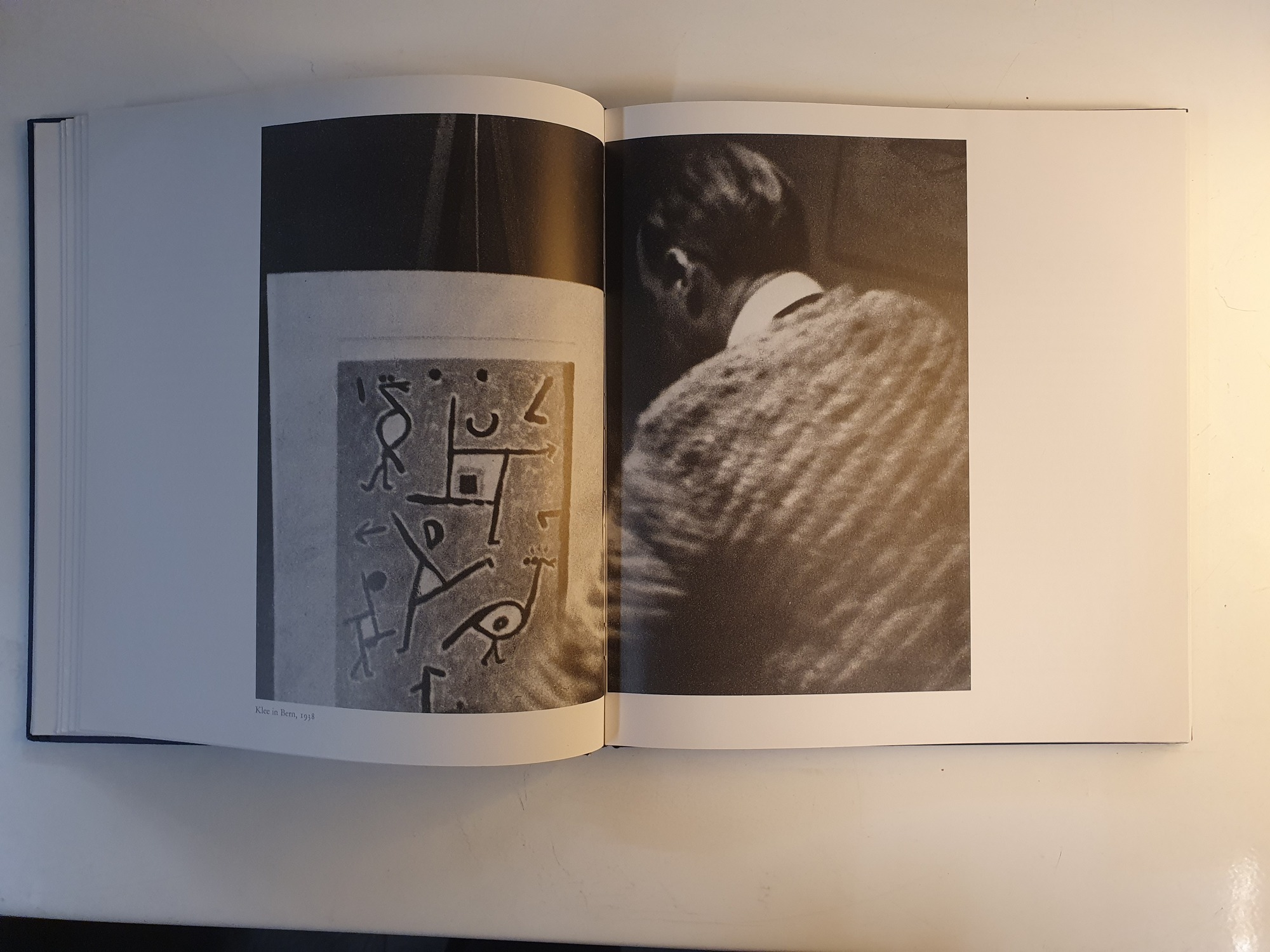
Klee Autor: Constance Naubert-Riser Verlag: Studio Edition London Englisch 5.00 CHF ISBN: 9783354973386 |
|
|
In den Warenkorb Merken
|
|
               |
|
|
Okay, here's a detailed description of the Klee Verlag edition of Constance Naubert-Riser's *The Story of the Forest* (German: *Die Geschichte des Waldes*), focusing on the book's significance and characteristics: **Klee Verlag's *The Story of the Forest* (1912): A Landmark of German Children's Literature** *The Story of the Forest* is a monumental and profoundly influential work of German children's literature, published by Klee Verlag in 1912. It's far more than just a story; it's a meticulously crafted, multi-layered narrative that explores themes of nature, mythology, and the human connection to the natural world. It's considered a cornerstone of German children's literature and a significant influence on later writers and artists. **Here's a breakdown of key aspects:** **1. The Story Itself:** * **Setting:** The narrative unfolds in a fantastical, almost dreamlike, world - the "Forest of the Spirits" - a place where the boundaries between reality and myth blur. It's a vast, ancient forest populated by spirits, animals, and strange, beautiful beings. * **Plot:** The story follows the journey of a young boy, Wilhelm, who is guided by a mysterious, talking owl to discover the truth behind the forest's magic. He encounters a variety of characters - a wise old woman, a mischievous sprite, and a powerful spirit - who reveal the forest's history and the importance of respecting nature. * **Themes:** The core themes are: * **The Power of Nature:** The forest is depicted as a living, breathing entity with its own consciousness and history. It's not simply a backdrop but an active participant in the story. * **The Importance of Respect for Nature:** Wilhelm's journey is a powerful allegory for the need to understand and appreciate the natural world, rather than exploiting it. * **The Connection Between Humans and Nature:** The book explores the idea that humans are not separate from nature but are intrinsically linked to it. * **Myth and Folklore:** It draws heavily on German folklore and mythology, incorporating elements of Celtic and Germanic traditions. **2. Klee Verlag's Unique Approach:** * **Artistic Illustration:** This is *the* defining feature of the Klee edition. The illustrations by the renowned German artist, **Karl-Heinz Schönhaupt**, are breathtakingly detailed and evocative. They aren't simply decorative; they are integral to the narrative. Schönhaupt's work is characterized by: * **Symbolism:** The illustrations are rich in symbolism, often representing abstract concepts and emotions. * **Atmospheric Realism:** They create a sense of depth, atmosphere, and a dreamlike quality. * **Stylistic Innovation:** Schönhaupt's style is unique - a blend of realism and fantasy, often incorporating elements of watercolor and pastels. * **The "Klee" System:** Klee Verlag introduced a specific system of illustrations that were designed to complement the text. These illustrations were often arranged in a particular way to enhance the story's emotional impact. The "Klee" system is a complex and fascinating aspect of the book's design. * **Text and Illustration Cohesion:** The text and illustrations are meticulously linked. The text provides the narrative context, while the illustrations deepen the emotional and symbolic meaning of the story. **3. Historical Context & Significance:** * **Published in 1912:** *The Story of the Forest* was published during a period of significant social and intellectual change in Germany. It reflected a growing interest in folklore, mythology, and the importance of connecting with the natural world. * **Influence on Later Writers:** The book had a profound influence on later German children's literature, particularly on authors like Theodor Geisel (Dr. Seuss) and Hermann Hesse. * **Cultural Impact:** It remains a beloved classic and a significant part of German cultural heritage. **4. Why it's a Valuable Book:** * **Masterpiece of Children's Literature:** It's considered a landmark achievement in the genre. * **Beautifully Illustrated:** The illustrations are stunning and add a unique dimension to the reading experience. * **Thought-Provoking:** It raises important questions about nature, humanity, and the power of storytelling. * **A Window into German Culture:** It offers a fascinating glimpse into the folklore and mythology of the region. **Where to Find It:** You can typically find copies of this edition through: * **Online Booksellers:** Amazon, Abebooks, etc. * **Specialty Bookstores:** Those specializing in German literature or children's books. * **Libraries:** Many libraries have copies available. **Resources for Further Research:** * **Klee Verlag Website:** [https://www.kleeriverag.de/](https://www.kleeriverag.de/) * **Wikipedia:** [https://en.wikipedia.org/wiki/The_Story_of_the_Forest](https://en.wikipedia.org/wiki/The_Story_of_the_Forest) To help me give you even more tailored information, could you tell me: * What specifically are you interested in learning about this book? (e.g., the illustrations, the historical context, a particular theme, etc |
|